Inching Closer to Monetaries: McGill Resistant to Basic Protections - Unit 3 Bargaining Update #16
Our bargaining session with McGill on February 4th was a dense one. We made progress on several fronts, pushed hard on protections our members need, and clarified where McGill is still refusing to move. As we approach our discussion on monetary items, we’re entering a phase where the stakes get higher and the pressure on McGill increases. Non‑monetary items have revealed clear fault lines: where the employer is willing to modernize our working conditions, and where they are still resisting basic protections and transparency. Rest assured that our bargaining committee is on YOUR side – fighting for a contract that represents your working reality.
Attending a negotiation session is a great way to participate meaningfully in workplace democracy and have a say in YOUR contract – plus, it puts pressure on McGill. Sign up for our next session by using this form. You can see the process firsthand, understand what is truly at stake, and hold the employer accountable by demonstrating visible member engagement at the table.
On a positive note, we tabled workload forms for both graders and undergraduate course assistants. Workload forms have been a game-changer for Teaching Assistants – they help prevent overwork, provide clarity to workers about where your hours are allocated, and explicitly outline working expectations. Standardized workload forms are one of our strongest tools for preventing overwork and enforcing the Collective Agreement. We eagerly await McGill’s counter-proposal on this matter considering how important it is to our workers!
We also tabled a proposal to negotiate Article 8 (grievances) in conjunction with our two other AGSEM units (Unit 1 (TAs) and Unit 2 (Invigilators)). To align with Quebec labor standards, we believe that a standardized grievance procedure for all three units will result in a clearer grievance process for all AGSEM members which is critical to protecting member working rights. We look forward to hearing McGill’s response to the joint table.
Article 6 (Harassment, Discrimination, and Sexual Violence) continues to fail to meaningfully address our members’ direct interests. McGill accepted our proposal to incorporate the broader “university community” definition into the article itself, which is important because our members often interact with students, faculty, and staff outside traditional employment hierarchies. However, they are reluctant to include other definitions that clarify the scope and coverage of the policy. We made a strong case for including explicit language on deadnaming, especially since these incidents have occurred in Unit 1 (Teaching Assistants), they are recognized as discrimination under Quebec law, and clear language prevents harm and reduces grievances. McGill’s response—that the policy already covers this and explicit language is redundant—doesn’t hold water when compared to this reality. This also was their argument when discussing explicit language that provided immediate measures for members to avoid working with alleged violators of the policy, with McGill insisting that their existing policy already covers this. We know from experience: explicit language helps prevent harm and reduce grievances. We will continue to fight for this.
Your bargaining team has made significant progress on the non-monetary proposal. While we still have article 6 (harassment and discrimination), article 8 (grievances), article 11 (job titles), and article 13 (specifically regarding the transparency of information McGill provides to the union), we are gearing up to provide our monetary proposal in March. Our next bargaining session is pivotal. This next meeting will determine whether we can close out the remaining non‑monetary items and finally pivot into the financial proposals that directly impact your pay, your stability, and your working conditions.
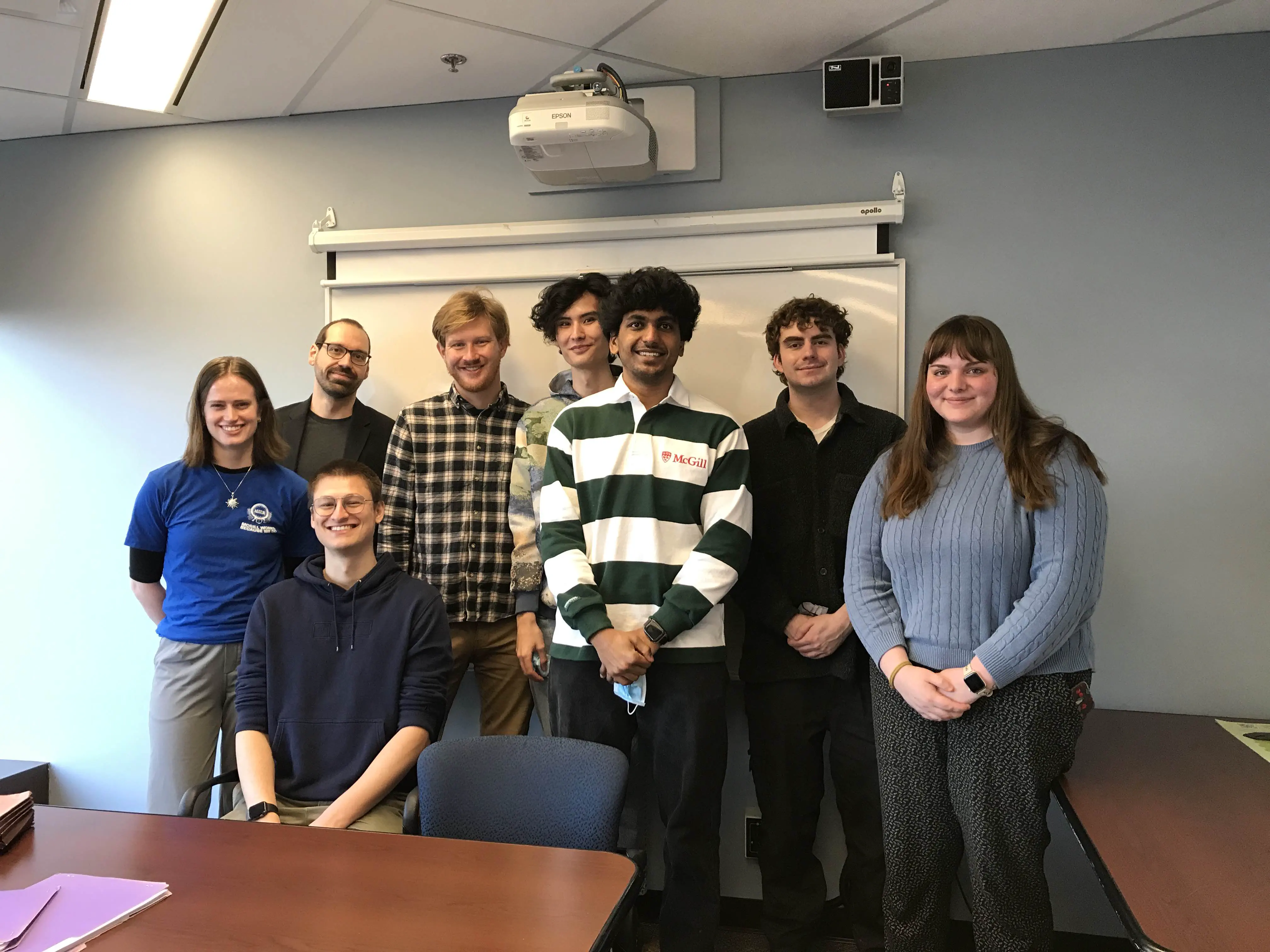
On our side of the table were Emma Moore (4th Year, Industrial Relations), Donald Morard (PhD Candidate, Grader, History), Jordan Cowie (2L Faculty of Law), Guillaume Forest-Allard, our advisor from our affiliate union Fédération nationale des enseignantes et des enseignants du Québec (FNEEQ), and Connor O’Keefe (Unit 3 Grievance Officer). We also had 4 members joined for open bargaining.
Do you have thoughts and insights to provide (of course you do!)? Please don’t hesitate to reach out to bargaining.casual1@agsem-aeedem.ca with your insights, questions, or concerns!
And if you want to attend our next bargaining session on Wednesday February 18th, please fill out this form to sign up and we’ll be in touch!
Love and solidarity,
Your Bargaining and Bargaining Support Committee